Back to Blog Home Page

On one side of the interview table: a recruiter trying to find the right candidate for an open req their hiring manager needed filled last Friday.
On the other: a job seeker hoping this interview is their golden ticket to a new role.
Both have a lot riding on the conversation. And both probably have a few interesting stories to tell about what it took to get here.
So, at TALENT ’26, we figured we’d get everyone in the same room (virtually, anyway) to talk about it. The good, the bad, the ugly of hiring.
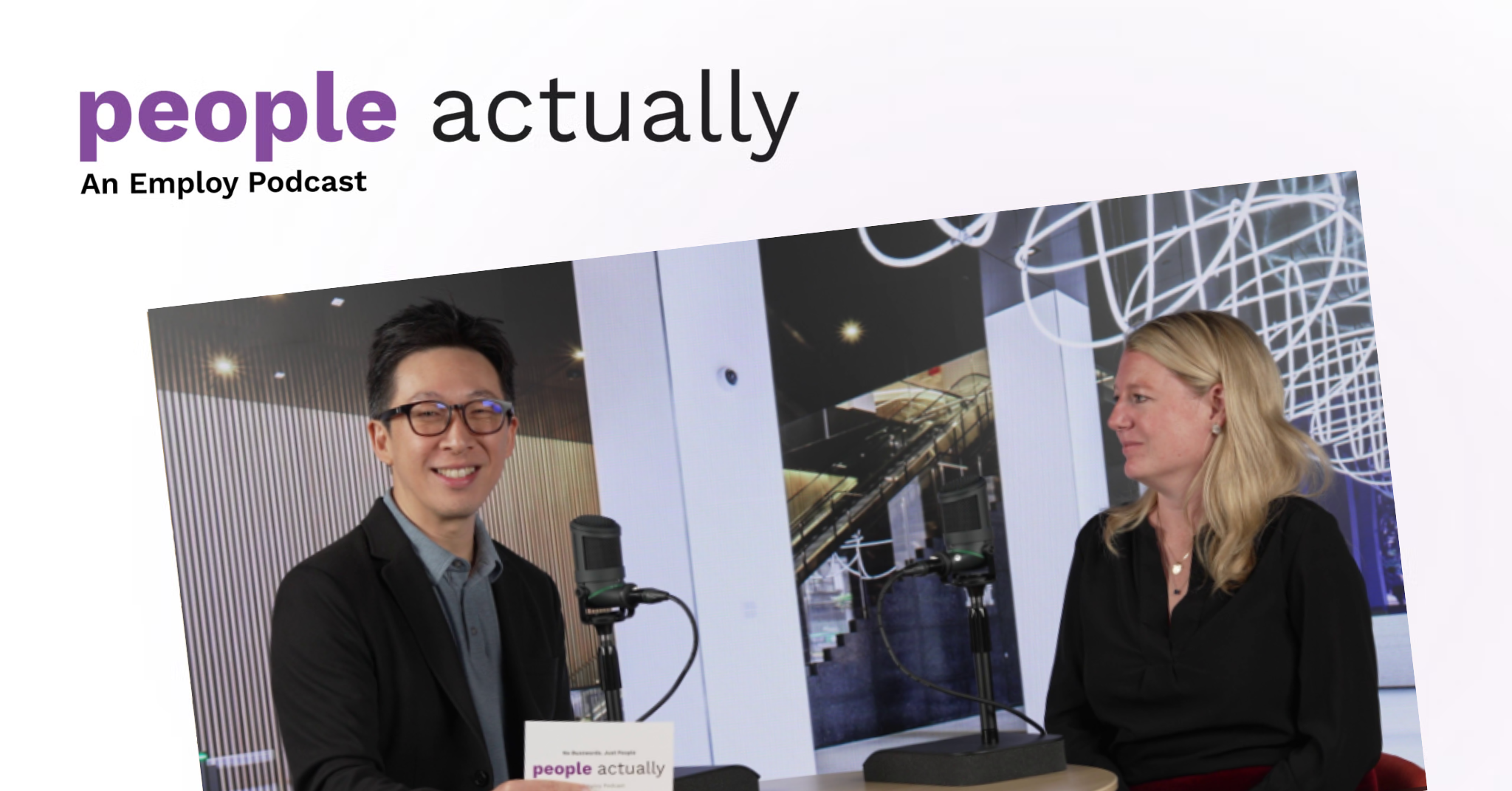
We brought together two talent leaders, Melissa Ninegar of Once Upon a Farm and Kristen Lewandowski of Quantum Metric, and two job seekers, Carmen Coleman and Mario Ruiz, to share what they’re seeing, what’s frustrating them, and what they wish the other side knew.
Turns out, there’s quite a bit they agree on. And a few things they see very differently.
Let’s get into it.
Hiring Looks Different Depending on Which Side You’re On
Think back to the last time you saw a job posting you were really excited about. You bookmark it, make a mental note to apply, and come back a day or two later. Applications closed.
“What? Already?”
From a job seeker’s perspective, that’s an understandably frustrating experience. But what they aren’t seeing is why those roles might be closing so quickly.
Melissa shared that her team at Once Upon a Farm can receive up to 2,000 applications in just 48 hours. For one role.
So, to make sure the candidates who’ve already applied get a fair shot, they sometimes have to close the posting after just a couple of days.
But the job seekers? Just see a role they wished they had a chance to apply to.
And that’s only one example of how differently the same hiring process can look depending on which side you’re on.
Carmen also shared stories of getting this close to receiving an offer only to have the role canceled.
Now, Carmen has spent 15 years working in talent. She knows how quickly hiring plans can change and how much happens behind the scenes. But knowing all that doesn’t make the disappointment any easier. And for any job seekers who don’t have a recruiting background, the context around what happened and why is even more of a mystery.
So, on one side you’ve got recruiters trying to sift through hundreds or thousands of applications while also juggling changing hiring needs. And on the other, you’ve got candidates investing hours in opportunities that fear might disappear before they ever get an answer.
Both sides are dealing with uncertainty. They’re just experiencing it in very different ways.
And that uncertainty is becoming an even bigger issue as recruiting teams deal with something that wasn’t nearly as common a few years ago: candidate fraud.
Candidate Trust Is a Two-Way Street
Is that candidate actually who they say they are?
It’s a question more and more recruiting teams are having to ask these days. Especially give the rise of AI-driven candidate fraud. And in some cases, the answer is a resouding no.
Kristen shared that she encountered at least a dozen fraudulent candidate interviews in just one month. Including everything from candidates using different identities and people switching during the interview process to someone who applied again under an entirely different name after previously interviewing with the company.
So, understandably, they’ve had to rethink how they verify candidates.
That includes training hiring teams to recognize potential fraud, involving security when something seems suspicious, and asking candidates for permission to take a photo during their first recruiter conversation so future interviewers can confirm that they’re speaking with the same person.
It’s a lot of extra work. But when you’re dealing with fraud at that level, protecting the hiring process becomes a pretty big priority.
Of course, there’s another side to all those additional checks. The candidate experience side.
Mario said the extra verification during interviews doesn’t really bother him. He understands why companies are recording conversations, asking more questions, and checking identities. But, he was not hesitant to share how frustrating and (frankly) annoying it is to create another login, another account, complete another check.
Carmen agreed that verifying candidates is important. She’s happy to turn on her camera and have a conversation. But she also talked about how lengthy some applications have become, with five, six, or seven detailed screening questions before a candidate has even spoken to someone.
And that’s where things get complicated.
Recruiters need ways to protect their companies from fraudulent applicants. But the vast majority of candidates are legitimate people who are already putting a lot of time into their job search—and who are increasingly frustrated dealing with a process that feels like it functions with a guilty until proven innocent mindset.
The challenge now is figuring out how to do both: protect the hiring process without making it unnecessarily difficult for the people you’re actually trying to hire.
Are We Making the Hiring Process Harder Than It Needs to Be?
A candidate applies for a job. They get an interview (yay!). But then they get a request for another interview. Then an assessment. Then a take-home assignment.
For candidates, each additional step means more time spent preparing, researching, and trying to demonstrate why they’re the right person for the job.
And the hours spent on each task? They start to add up and fast.
Mario shared that he’s been asked to complete take-home assignments that take three or four hours. So, his question to employers was pretty simple: couldn’t he demonstrate those same skills by walking through work he’s already done?
Carmen agreed. Especially when a lengthy assignment is followed by another interview and then a panel presentation.
But here’s the thing. Recruiters aren’t necessarily looking to make the hiring process longer, either. But they do need to make sure they have enough information to be confident they aren’t making a bad hire.
Which is why Melissa talked about the importance of doing more work before interviews ever begin.
At Once Upon a Farm, Melissa’s team sits down with hiring managers to make sure everyone’s on the same page. What are we actually looking for? What do we need to learn about each candidate? And what interview questions (and steps) are going to get us the information we need?
It’s that work upfront that saves headaches down the line. And helps ensure candidates don’t feel like they’re stuck in a never-ending interview loop.
The Recruiter Relationship Can Make or Break the Candidate Experience
The number of interviews and how long the process takes are important factors in a candidate’s experience, no doubt about it. But so are the people candidates interact with along the way.
And during our conversation, it became pretty clear just how much of a difference a good recruiter can make.
Mario shared that one thing that’s surprised him during his current job search is how much more helpful recruiters have been compared to the last time he was looking for work.
They’re not just scheduling interviews and sending reminders. They’re helping him prepare, sharing who he’ll be meeting with, what those interviewers are looking for, and even the kinds of questions he might be asked.
In other words, they’re helping him put his best foot forward.
And it’s made a difference.
For Carmen, those conversations also tell her a lot about the organization itself. So she’s paying attention to the people.
Are they excited about their work? Do they seem supported? Are they being transparent about what’s happening within the organization?
Those conversations help her figure out whether she can actually picture herself working there.
And the recruiters on our panel agreed.
Kristen talked about the importance of having a real person make that first impression. Melissa shared how her team trains hiring managers on candidate care and holds regular check-ins to make sure candidates aren’t getting lost in the process.
Candidates Want Communication, Even When the Answer Is No
Imagine making it through multiple rounds of interviews. You’ve met the team, spent hours preparing, maybe even completed an assignment or two. And then you get an email saying the company has decided to go in another direction.
That’s it.
For Carmen, this was one of the biggest frustrations she wanted employers to hear.
If a candidate has already interviewed with someone at your company, especially if they’ve made it to the final round, she wants employers to pick up the phone.
Not because a phone call makes rejection any less disappointing. But because after someone has invested that much time getting to know your company, an actual conversation can go a long way.
And Melissa couldn’t have agreed more.
At Once Upon a Farm, if someone has made through every single round, it is a phone call, never an email. And it’s a phone call from the manager.
It’s probably not anyone’s favorite conversation to have. But it’s an important part of treating candidates with respect, even when you’re not offering them the job.
And as Carmen pointed out, that final interaction can have a pretty big impact on how someone feels about your company afterward. For better or worse.
A Little Advice for Both Sides of the Interview Table
So, what can recruiters and job seekers actually do to make the hiring process a little easier on themselves (and each other)?
For recruiters: Make every step of the process count.
If there’s one thing job seekers want hiring teams to understand, it’s that their time matters, too.
That means taking another look at those lengthy take-home assignments Mario mentioned. Making time for the personal conversations Carmen wishes more employers would have. And doing the upfront work Melissa talked about to make sure hiring teams are aligned before interviews begin.
The goal isn’t necessarily to make the hiring process faster or shorter. It’s to make sure every step has a purpose and candidates aren’t being asked to do more than they need to.
For job seekers: Don’t underestimate the power of your network.
Melissa put it pretty simply: “Your network is your net worth.”
And after hearing about the sheer volume of applications recruiting teams are receiving, it’s easy to understand why she brought it up.
Both Melissa and Kristen encouraged job seekers to build their LinkedIn presence, connect with people in their industry, and make connections in real life, too.
And not just when they’re actively looking for work.
Melissa’s advice was to start those conversations before a role even opens up. Follow companies you’re interested in. Reach out to people doing the kind of work you want to do. And look for opportunities to build relationships rather than waiting until you need something.
Kristen added another tip: make those interactions personal. She said she’s more likely to engage with someone who’s commented on her LinkedIn posts or joined a conversation she’s part of than someone sending an obviously AI-generated message.
Better Hiring Starts on Both Sides of the Interview Table
Two people. Same interview table. Two very different experiences getting there.
And after hearing from our panelists, one thing is pretty clear: recruiters and job seekers have more in common than they might realize.
They both want a process that makes sense. Communication that doesn’t leave them wondering if they’ve been ghosted. And some reassurance that all the time and effort they’re putting in is actually going somewhere.
Neither side has a magic fix for everything that’s making hiring complicated right now. But understanding what the other person is dealing with? That’s a pretty good place to start.
Want to hear more from both sides of the interview table? Watch the full TALENT ’26 conversation on demand: https://www.youtube.com/watch?v=6YfRQl2_pkI&list=PLOr7FXVEu1Kk&index=5